Jesus Favorite Number - Uncovering The Mystery
From the number of days, it took God to create the world, to the seven deadly sins, the number 7 holds immense significance in the Bible. But did you know that it was also Jesus favorite number?
Author:Celeste PearlReviewer:Amy DaleyApr 21, 202387.7K Shares1.2M Views
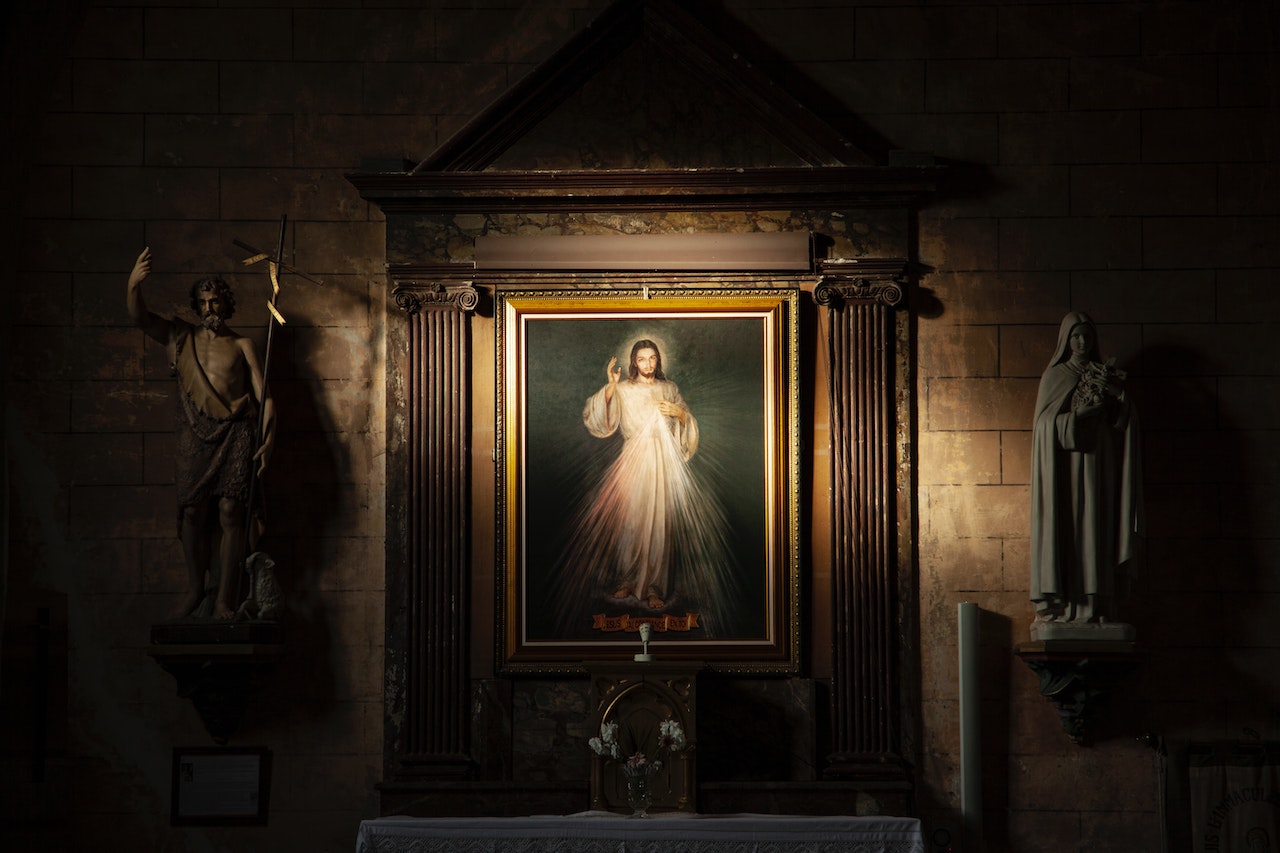
From the number of days, it took God to create the world, to the seven deadly sins, the number 7 holds immense significance in the Bible. But did you know that it was also Jesus favorite number?
Throughout the Bible, we see multiple references to the number 7, each with its unique symbolism and meaning. Later on, we will explore the significance of the number 7 in the Bible and understand why it was Jesus' favorite number.
The Significance Of The Number 7 In The Bible
The number 7 holds significant symbolism in the Bible, representing various themes and concepts. Here's a detailed explanation.
Completeness And Perfection
In the Bible, the number 7 is associated with completeness and perfection. It is believed to represent the idea of wholeness and totality. This is rooted in the story of creation in the book of Genesis, where God rested on the seventh day after creating the universe, signifying the completion and perfection of His work.
It is also seen in other instances, such as the seven days of the week, which represent the complete cycle of time, and the seven feasts of Israel, which represent the complete pattern of worship.
Divine Order And Organization
The number 7 is associated with divine order and organization in the Bible. For example, the construction of the Tabernacle in the Old Testament involved a pattern of sevens, with seven lamps, seven branches on the golden lampstand, and seven layers of curtains.
This was seen as an indication of God's perfect order and organization in His dwelling place among His people. The book of Revelation, which is rich in symbolic language, also contains numerous references to the number 7, such as the seven seals, seven trumpets, and seven bowls, which represent God's perfect plan and order for the end times.
Spiritual Completeness And Fulfillment
The number 7 is often associated with spiritual completeness and fulfillment in the Bible. For instance, in the New Testament, Jesus performed seven miraculous signs, also known as the "seven signs" in the Gospel of John, which were seen as a complete and perfect demonstration of His divinity and mission.
Additionally, in the book of Revelation, there are seven letters to seven churches, which represent the complete message of God to His people. The concept of spiritual completeness and fulfillment is further emphasized in the seven-fold gifts of the Holy Spirit, which are mentioned in Romans 12:6-8 and 1 Corinthians 12:8-10.
Jesus Favorite Number And The Number 7
The number 7 has a significant role in Christianity, particularly in Jesus Christ. Throughout the Bible, there are numerous references to the number 7, and it is often associated with completeness, perfection, and wholeness.
In the Book of Genesis, God rested on the seventh day after creating the world, which established the idea of the Sabbath day of rest. In the Book of Revelation, seven are mentioned frequently, including seven churches, seven seals, seven trumpets, and seven bowls.
These sevens represent the completion of God's plan for humanity and the end of time. In the life of Jesus Christ, the number 7 is also prominent. For example, Jesus performed seven miracles on the Sabbath, and the Gospel of John records seven "I am" sayings of Jesus, which are symbolic of his divine nature.
Additionally, there are seven words that Jesus spoke from the cross, which represent the completion of his earthly mission. Furthermore, the number 7 is also associated with the Holy Spirit, which is one of the three persons of the Holy Trinity in Christianity.
In the Book of Isaiah, there are seven gifts of the Holy Spirit, which include wisdom, understanding, counsel, fortitude, knowledge, piety, and fear of the Lord. Overall, the number 7 holds significant spiritual and symbolic meaning in Christianity, representing completion, perfection, and the divine nature of Jesus Christ and the Holy Spirit.

The Biblical Significance Of Multiples Of 7
The significance of multiples of 7 in the Bible is rooted in the scriptural concept of perfection, completion, and divine order. The number 7 holds a special significance in Jewish and Christian traditions and is often considered a symbol of divine completion or wholeness.
In the book of Genesis, God created the world in six days and rested on the seventh, thus establishing the pattern of a seven-day week that is widely recognized and followed to this day. This pattern of six days of work followed by a day of rest is considered a symbol of completeness, with the seventh day representing a time of divine rest and fulfillment.
The number 7 is also associated with a covenant and divine promises in the Bible. For example, in the story of Noah's Ark, the rain fell for 40 days and 40 nights, and after the floodwaters receded, Noah sent out a dove, which returned with an olive leaf after 7 days, signifying the end of the flood and the fulfillment of God's promise to protect Noah and his family.
Furthermore, the number 7 is often used in biblical prophecies and visions to represent a complete or perfect period. For instance, in the book of Daniel, there is a prophecy of 70 weeks (or 490 days), which is understood by many biblical scholars as representing a complete period, possibly pointing to the fulfillment of God's plan of redemption through Jesus Christ.
The significance of multiples of 7 can also be seen in various ceremonial and ritual practices in the Bible. For example, the Israelites were commanded to observe a Sabbath year every 7 years, during which the land was to rest and debts were to be forgiven. Additionally, the festival of Passover, one of the most significant Jewish festivals, is observed for 7 days, with the 7th day being a day of rest.
Seven Churches In Revelation
The Seven Churches in Revelation, also known as the Seven Churches of Asia, are seven ancient churches located in the Roman province of Asia, which is now modern-day western Turkey. These churches were mentioned in the Book of Revelation, the final book of the New Testament, which was written by the Apostle John in approximately 95 AD.
The Book of Revelation contains a series of visions that John had while he was exiled to the island of Patmos. In these visions, he was commanded by Jesus Christ to write letters to the Seven Churches, addressing the spiritual state of each church and providing advice on how they could improve their faith.
The first church that was addressed was the church in Ephesus. This church was commended for its hard work, perseverance, and rejection of false teachings. However, they were also criticized for losing their first love and warned to repent or risk losing their lampstand, which symbolizes their church.
The second church was the church in Smyrna, which was commended for its faithfulness and perseverance through persecution. This church was not criticized but rather encouraged to continue its steadfastness in the face of hardship.
The third church was the church in Pergamum, which was commended for holding fast to the name of Jesus, even in the face of persecution. However, they were criticized for tolerating false teachings and warned to repent.
The fourth church was the church in Thyatira, which was commended for its love, faithfulness, and service. However, they were criticized for tolerating a false prophetess and warned to repent or face judgment.
Jesus Favorite Number And The Seven Spirits Of God
The Seven Spirits of God are mentioned in the Christian Bible, specifically in the book of Revelation, which is the last book of the New Testament. They are described as seven distinct spiritual beings or aspects of the Holy Spirit that represent different facets of God's character and attributes.
These Seven Spirits are often associated with the number seven, which holds significant symbolic meaning in Christian theology as representing perfection, completeness, and fullness.
The Spirit Of The Lord
This represents the authority, dominion, and kingship of God. It signifies God's supreme rule and sovereignty over all creation, including the physical and spiritual realms.
The Spirit Of Wisdom
This represents divine wisdom, discernment, and insight. It is the ability to apply knowledge and understanding wisely and righteously, enabling believers to make godly decisions and live according to God's will.
The Spirit Of Understanding
This represents deep comprehension and insight into God's truths and mysteries. It allows believers to have a profound understanding of God's Word, His nature, and His plans, enabling them to walk in His ways with clarity and discernment.
The Spirit Of Counsel
This represents divine guidance, direction, and advice. It provides believers with wise counsel and guidance in making decisions, resolving conflicts, and navigating life's challenges in alignment with God's will.
The Spirit Of Might
This represents divine strength, power, and courage. It empowers believers with spiritual strength and fortitude to overcome obstacles, face challenges, and carry out God's purposes with boldness and perseverance.
The Spirit Of Knowledge
This represents divine knowledge, insight, and revelation. It enables believers to have an intimate and experiential knowledge of God and His ways, leading to a deeper relationship with Him and a greater understanding of His truth.
Biblical Numerology: Meaning Of Numbers In The Bible
The Spirit Of The Fear Of The Lord
This represents reverential awe, respect, and adoration for God. It is not a fear of punishment, but a deep reverence and honor for God's holiness, righteousness, and majesty, which leads to a humble and obedient posture before Him.
People Also Ask
What Is Jesus' Favorite Number?
There is no biblical record of Jesus having a favorite number.
Is There Any Significance To The Number 7 Being Associated With Jesus?
The number 7 is considered significant in Christianity as it represents completion and perfection, but there is no evidence that it was Jesus' favorite number.
Are There Any Numbers Mentioned In The Bible That Are Associated With Jesus?
There are several significant numbers mentioned in the Bible related to Jesus, such as 3 (representing the Holy Trinity) and 40 (representing a period of testing or preparation).
Why Do Some People Believe That 18 Is Jesus' Favorite Number?
There is no biblical basis for the belief that 18 is Jesus' favorite number, and this idea is not widely accepted in Christian theology.
Does Jesus' Favorite Number Have Any Impact On Christian Beliefs Or Practices?
No, Jesus' favorite number is not considered significant in Christian beliefs or practices, and the focus is on following his teachings and example rather than any specific number.
Conclusion
I hope that you have got the Jesus favorite number. From the creation story to the book of Revelation, the number 7 holds immense significance in the Bible. As we have seen, Jesus also had a special connection with the number, with multiple references to the number 7 in connection with his teachings and miracles.
The number 7 represents completeness, perfection, and wholeness, and reminds us of God's plan for our lives. As we strive to follow Jesus' example, may we also seek to embody the completeness and wholeness that the number 7 represents.

Celeste Pearl
Author
Celeste Pearl is an accomplished writer and expert in numerology, astrology, and spirituality.
With a Bachelor of Arts in Journalism and over 6 years of writing experience, Celeste brings a wealth of expertise to her articles, making complex topics accessible and engaging for readers.
Her passion for metaphysical sciences is evident in her insightful content, where she explores the depths of these subjects with clarity and depth.
Beyond her professional pursuits, Celeste enjoys delving into spiritual practices and connecting with nature for inspiration.

Amy Daley
Reviewer
Amy Daley is an accomplished numerologist with over 9 years of experience and a certification in Numerology. She holds a Bachelor's degree in Mathematics from Stanford University, enhancing her expertise in numerical analysis and interpretation.
Amy has authored numerous acclaimed articles on numerology, known for their clarity, depth, and practical insights. Her writing style is characterized by its accessibility and ability to convey complex numerical concepts in an engaging manner.
Readers trust Amy's expertise and credibility in numerology, making her a sought-after guide for spiritual and practical insights through numbers.
In her free time, Amy enjoys painting, hiking, and exploring ancient cultures for inspiration.
Latest Articles
Popular Articles